Garden rubbish removal Brockwell Park SW2
Posted on 09/08/2026
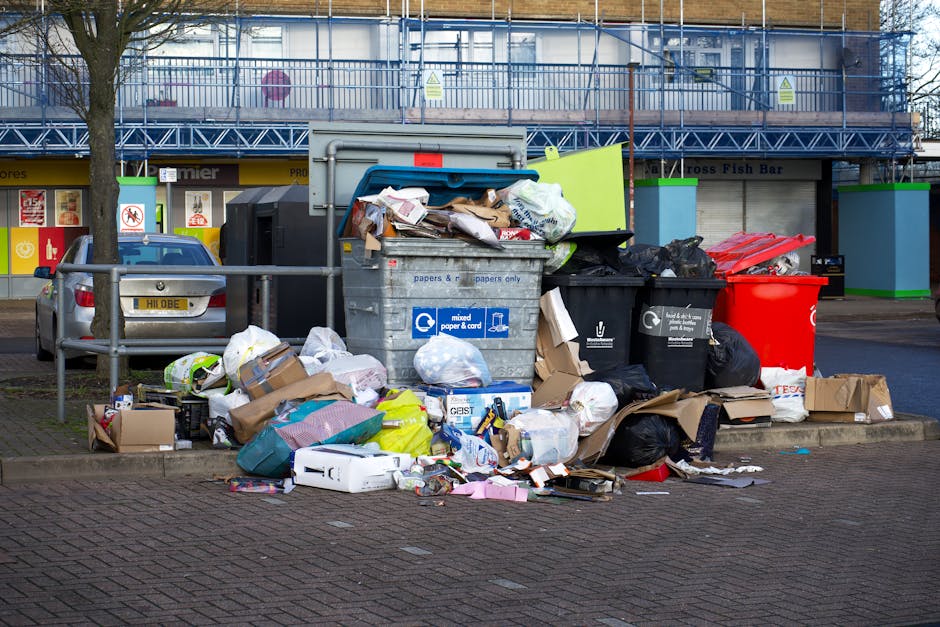
Garden rubbish removal Brockwell Park SW2: a practical local guide for clear, tidy outdoor spaces
If your garden has turned into a pile of cuttings, branches, old planters, broken fencing, and that one awkward bag of leaves you meant to move last weekend, you are not alone. Garden rubbish removal in Brockwell Park SW2 is one of those jobs that looks simple until you actually start lifting. Then the sheer bulk of it kicks in. The bags are heavier than expected, the heap spreads across the path, and suddenly the morning is gone.
This guide explains what garden waste removal involves, when it makes sense to book help, how the process usually works, and what to watch out for in a busy London area like Brockwell Park SW2. It also covers the practical side: sorting waste, avoiding common mistakes, keeping things compliant, and choosing the right option for your space. If you are trying to get a garden back under control without turning your week upside down, you are in the right place.
Table of Contents
- Why Garden rubbish removal Brockwell Park SW2 Matters
- How Garden rubbish removal Brockwell Park SW2 Works
- Key Benefits and Practical Advantages
- Who This Is For and When It Makes Sense
- Step-by-Step Guidance
- Expert Tips for Better Results
- Common Mistakes to Avoid
- Tools, Resources and Recommendations
- Law, Compliance, Standards, or Best Practice
- Options, Methods, or Comparison Table
- Case Study or Real-World Example
- Practical Checklist
- Conclusion
- Frequently Asked Questions
Why Garden rubbish removal Brockwell Park SW2 Matters
Garden waste is not just "mess". In a real home, it builds up quickly and gets in the way of everything else you want the space to do. A tidy garden is easier to enjoy, easier to maintain, and usually safer too. Fallen branches, rotting timber, old compost sacks, and wet leaves can make paths slippery. They also attract pests if left for too long. Not glamorous, but true.
In Brockwell Park SW2, outdoor spaces tend to be used hard. Some are compact back gardens behind terraced homes, some are shared spaces, and some are the kind of gardens that look lovely in April and then become a bit of a jungle by late summer. Add wind-blown debris, pruning waste, and the odd renovation spillover, and you can end up with more rubbish than a normal household bin system can handle.
This is where proper garden rubbish removal matters. It helps you clear mixed waste efficiently without trying to squeeze thorny cuttings into bags that split halfway down the stairs. It also keeps recyclable green waste separate where possible, which is better for disposal and usually better for the environment too. Our recycling and sustainability approach is a useful example of how responsible sorting can make a difference in practice.
There is a local angle as well. Brockwell Park is a busy part of South London, and the surrounding streets can be tight for access, parking, and loading. That means the way waste is collected matters almost as much as the waste itself. A quick, organised clearance can save a lot of faff. And frankly, who wants to spend a whole Saturday dragging hedge trimmings in and out of a boot?
How Garden rubbish removal Brockwell Park SW2 Works
The process is usually straightforward, but the details matter. Most garden rubbish removal jobs begin with a rough idea of volume and waste type. Is it mostly green waste like grass cuttings and branches? Or is it mixed rubbish, such as damaged fencing, soil-filled pots, broken outdoor furniture, and old bags of general junk from the shed?
From there, the collection method depends on access and scale. In some cases, waste is removed from the front or side of the property. In others, it is carried through the house or down a shared path. If the load is heavy or awkward, that affects how long the job takes and how it should be handled safely. A good team should be realistic about this rather than pretending every garden is a neat little rectangle. They are not.
For many people, the best option is a mixed service that handles both green waste and general outdoor rubbish. If your job includes extra clutter outside the garden itself, it may overlap with broader waste removal in Brixton or even a more general rubbish collection arrangement. That flexibility can be helpful when the mess has spread from the garden into the shed, side return, or driveway.
One useful thing to remember: the right service is not just about taking things away. It is also about sorting material into sensible categories. Green waste, timber, metal, soil, and general rubbish should not all be treated the same way. When they are separated properly, disposal is cleaner and often more efficient.
Key Benefits and Practical Advantages
A professionally handled garden clearance gives you more than just an empty patch of ground. It gives you time back, reduces the physical strain, and usually leaves the space in a state where you can actually use it. That sounds obvious, but many people only realise it once they have spent three hours trying to bag damp hedge clippings on their own.
Here are the main advantages in plain English:
- Less heavy lifting: branches, bags, and broken materials can be bulky and awkward.
- Faster turnaround: a clear process is often quicker than many DIY trips to a disposal point.
- Cleaner separation of waste: green waste can be treated differently from general rubbish.
- Better presentation: useful if you are preparing a property for sale, letting, or entertaining.
- Reduced risk of damage: carrying thorny or sharp material through a home can be messy.
There is also the mental benefit, which people sometimes underestimate. A cluttered garden quietly nags at you. Every glance out the window reminds you of a job undone. Once cleared, the whole place feels lighter. Even on a dull day, the space suddenly seems useful again.
If you are planning larger outdoor works, a tidy pre-clearance can make everything easier. For instance, if you are removing old sleepers, broken decking, or leftover material from a garden project, you may want to look at broader project waste handling too, including builders waste disposal in Brixton. That is often the more sensible route when garden and renovation waste are mixed together.
Who This Is For and When It Makes Sense
Garden rubbish removal in Brockwell Park SW2 is not only for people with huge back gardens. In fact, many of the most common jobs are fairly ordinary. A small garden can produce a surprising amount of waste after a pruning session, a move, or a bit of long-overdue clearing. The pile just sits there looking innocent until you try to move it.
This service makes sense for:
- homeowners who have done seasonal pruning and need everything taken away
- landlords preparing a garden between tenancies
- tenants who need to leave an outdoor space tidy at the end of a lease
- families clearing out old play equipment, pots, and broken outdoor furniture
- people who have inherited a property with an overgrown garden or full shed
- anyone recovering from a DIY or landscaping project that left more mess than expected
It is also useful if access is awkward. Some London gardens are reached through narrow hallways, shared entrances, or basements. If that sounds familiar, you probably do not want to rely on a car boot and good intentions alone. A planned collection is usually calmer and less stressful.
As a rule of thumb, if waste is too much for your green bin, too heavy for a normal vehicle load, or too awkward to carry safely on your own, it is probably time to bring in help. Simple enough.
Step-by-Step Guidance
If you want the job done well, it helps to think in stages rather than just "get rid of it somehow". Here is a practical way to approach garden clearance without making the day harder than it needs to be.
- Walk the garden first. Identify what is actually there. Separate green waste, woody material, soil, damaged furniture, plastics, and any sharp or broken items.
- Sort what can be reused. Some pots, edging, or timber may be reusable. Not everything in the pile needs immediate disposal.
- Bag or bundle by type. Light cuttings, branches, and mixed rubbish are easier to manage when grouped sensibly.
- Check access routes. Make sure paths are clear and think about where bags will be placed before collection. It saves backtracking later.
- Lift safely. Heavy bags should be kept manageable. Wet soil and timber weigh more than people expect, which is annoying but very real.
- Use the right collection method. If the waste is mixed or bulky, a service designed for outdoor rubbish is usually the best fit.
- Confirm where the waste goes. Responsible disposal matters. Ask how green waste and mixed rubbish are handled.
Here is the part many people skip: take five minutes at the start to remove anything you definitely want to keep. Once the pile starts moving, it all looks vaguely similar. A plant pot you meant to save can disappear with the rest. Happens more often than you would think.
If your clear-out is tied to a bigger move or property project, it may help to read a bit more about local housing and planning context, such as this guide to Brixton property or buying a house in Brixton. Different kind of job, yes, but the same basic principle applies: preparation saves a lot of stress.
Expert Tips for Better Results
A few small habits can make a big difference. The difference between a smooth clearance and a messy one is often not the size of the pile; it is the way the pile is prepared.
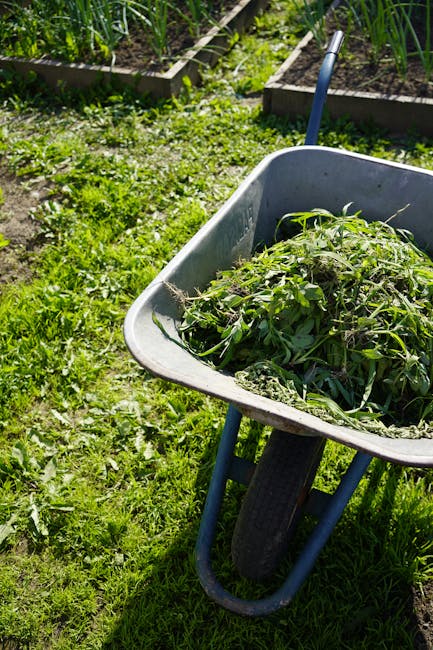
Tip 1: Keep green waste dry if you can. Wet grass, leaves, and clippings get much heavier. If there is a chance of rain, cover the pile loosely or time the job for a drier window. No one loves handling soggy garden waste. Not even a little bit.
Tip 2: Bundle thorny material separately. Rose cuttings, brambles, and sharp branches should not be mixed carelessly with soft waste. Separate them and label them if needed. It is safer for everyone handling the load.
Tip 3: Break down bulky items early. Old fence panels, trellis, and broken outdoor chairs can look compact until you try to move them through a narrow gate. Cutting them down first is often worth the time.
Tip 4: Watch the hidden weight. Soil, turf, and plant-filled pots are much heavier than they appear. A bag that looks manageable on the patio can become a proper nuisance at the doorway.
Tip 5: Ask about mixed loads before booking. If the job includes a bit of everything, mention it upfront. That allows for the right vehicle, right staffing, and a more realistic quote. This is one reason people compare services overview information before choosing a provider.
One last thing. If your garden clearance follows a party, renovation, or a busy family event, it can help to treat the space as a "reset" job rather than a tidy-up. Different mindset, better result. And a quieter Monday morning.
Common Mistakes to Avoid
Garden waste jobs go wrong in very predictable ways. The good news is that most of them are easy to avoid once you know what to look for.
- Mixing all waste together: green waste, timber, plastics, and general rubbish should not be lumped together without a plan.
- Overfilling bags: this leads to splits, sore backs, and awkward lifting. Keep bags sensible.
- Ignoring access problems: a narrow path or steep steps can change the whole job.
- Leaving wet material too long: damp garden waste gets heavier and can start to smell.
- Forgetting about sharps: broken glass, nails, and splintered wood are easy to miss.
- Assuming every service handles every material: not all collections are suited to soil-heavy or mixed loads.
Another common slip: people clear the obvious pile but forget the "edge cases" - the bag of dead leaves behind the shed, the cracked planter under the bench, the broken grill that somehow became a permanent fixture. Those little extras add up.
If you are sorting out multiple rooms as well as the garden, a broader service such as house clearance in Brixton may be more appropriate than a garden-only collection. It depends on what you are really dealing with, not just how it first looks.
Tools, Resources and Recommendations
You do not need a shed full of specialist gear to organise a garden clearance properly, but a few simple tools help a lot. Sometimes the difference is just having the right sack, the right gloves, and the patience to sort things before they become chaos.
- Heavy-duty garden sacks: better for branches and mixed garden waste than thin supermarket bags.
- Sturdy gloves: useful for thorns, splinters, and sharp edges.
- Pruning shears or loppers: handy for breaking larger branches into manageable sections.
- A tarpaulin: helps keep waste together and makes dragging it simpler on dry ground.
- A broom or rake: ideal for the final sweep-up after the heavy lifting is done.
For people who want to understand how collections are organised more broadly, it can also help to review a provider's pricing and quotes information before booking. That tends to answer a lot of awkward questions early, especially around volume, access, and mixed waste. And yes, it really is better to ask than to guess.
If you want a good benchmark for how a responsible service should behave, look for clear communication, sensible scheduling, and safe handling. Our insurance and safety information is a good reminder of the kind of practical care a customer should expect. It should not feel vague. It should feel organised.
Law, Compliance, Standards, or Best Practice
Garden rubbish removal is not just a practical job; it also sits within normal UK waste-handling expectations. You do not need to become a legal expert to deal with a pile of hedge trimmings, but it is sensible to know the basics.
The main principle is simple: waste should be handled responsibly and passed to an authorised route for disposal or recovery. In plain English, that means you should be cautious about handing your rubbish to anyone who cannot explain where it will go. If a service is vague about disposal, that is a red flag. Not always a disaster, but enough to pause.
Best practice usually includes:
- separating green waste from general rubbish where practical
- keeping sharp or hazardous items apart
- avoiding overloading bags or vehicles
- making sure the collection process is safe for workers and residents
- using a provider that is transparent about terms and conditions
If you want to read a bit more about the company's approach to fair practice and transparency, the site's terms and conditions and privacy policy are worth a look. For general background on the business itself, about us gives some useful context too.
There is no need to dramatise the compliance side, but it should not be brushed aside either. Responsible waste handling is part of a professional service. Full stop.
Options, Methods, or Comparison Table
Different jobs call for different approaches. A small pile of clippings does not need the same treatment as a full garden overhaul. Here is a practical comparison to help you decide.
| Option | Best for | Pros | Watch out for |
|---|---|---|---|
| Self-clear and dispose yourself | Very small, light loads | Low direct cost, simple if you already have transport | Time-consuming, heavy lifting, access issues, multiple trips |
| Garden waste-only collection | Mostly cuttings, branches, leaves, and soft green waste | Neat sorting, efficient for seasonal tidy-ups | Not ideal if you also have timber, pots, or mixed rubbish |
| Mixed rubbish and garden clearance | Gardens with outdoor clutter, fencing, and general rubbish | More flexible, better for real-world clear-outs | Needs clear description of what is included |
| Broader property clearance | Garden waste plus house, shed, or garage contents | One coordinated job, fewer separate bookings | Can be more than you need if only the garden is being done |
If the waste includes more than just greenery, a broader service often makes more sense. That might mean combining garden work with a wider waste removal job, especially when the shed has become a sort of time capsule for broken tools and half-finished projects. We have all seen one of those, haven't we?
Case Study or Real-World Example
Here is a realistic example based on the kind of work commonly needed in this part of London. A family in Brockwell Park SW2 had let their rear garden slide for most of the year. Nothing dramatic, just life getting in the way. By the time they were ready to sort it, there were hedge trimmings, a few rotting plant pots, a broken parasol base, old bags of leaves, and a stack of timber from a half-finished seating area.
At first glance, it looked like a simple green waste job. Once everything was gathered, it was clearly mixed waste. The smart move was to sort the garden material, separate the timber, and keep the heavier bits away from the soft clippings. That made collection easier, reduced the chances of damaged bags, and meant the space could be cleared in one go instead of spread across several weekends.
The family wanted the garden usable again before a small summer gathering. Not a huge event, just a few people, food on the table, and kids running in and out. Once the waste was removed, the place felt bigger immediately. The patio was visible again. The path was safe. Even the late-afternoon light looked better, to be fair. It is amazing what a clear corner and a swept path can do.
That is the real point: garden rubbish removal is not really about rubbish. It is about getting the space back.
Practical Checklist
Use this checklist before booking or starting the clear-out. It keeps the job calmer and usually cheaper in time and effort.
- Have I separated green waste from general rubbish?
- Are there any sharp, broken, or heavy items hidden in the pile?
- Is access clear from the garden to the collection point?
- Have I checked whether the waste is mostly garden material or mixed waste?
- Have I removed anything I want to keep?
- Are any items too large to move safely without breaking them down first?
- Do I need a broader service because the shed, garage, or house is involved too?
- Have I looked at the provider's safety and pricing information?
- Will the waste be collected in one visit, or will a staged clear-out be better?
- Have I planned for weather, parking, and timing around neighbours or deliveries?
A final quick sweep often saves a lot of embarrassment. It also helps you spot the bits that disappear under brambles or behind bins. A tiny effort, yes. A useful one too.
Get a free quote today and see how much you can save.
Conclusion
Garden rubbish removal in Brockwell Park SW2 is one of those services that pays off quickly once you use it properly. It reduces stress, clears space, and helps you get back to enjoying the garden rather than just thinking about it. The best results come from sorting waste sensibly, thinking about access, and choosing the right kind of collection for the job in front of you.
If your garden has become a bit of a catch-all for branches, bags, broken items, and "we'll deal with that later" clutter, now is a good time to reset it. Do the small prep well, ask the right questions, and the rest becomes much easier. Simple, really. Well, mostly simple.
There is something quietly satisfying about stepping outside afterwards and seeing a proper garden again. Fresh air, clear paths, room to breathe. That's the bit people remember.


Copyright © . House Clearance Brixton. All Rights Reserved.