Rubbish clearance Loughborough Junction and SW9
Posted on 27/08/2026

Rubbish clearance Loughborough Junction and SW9: a practical guide for homes, landlords, and local businesses
If you need rubbish clearance Loughborough Junction and SW9, you are probably dealing with one of those jobs that looks simple until you actually start. A broken wardrobe in the hallway, black bags piling up after a clear-out, builders' offcuts, a garden waste heap that has quietly taken over the corner of the yard... it adds up fast. And in busy parts of South London, the sooner it is dealt with properly, the better.
This guide explains what rubbish clearance involves, how the process usually works, what to expect, and how to avoid the usual headaches. Whether you are clearing a flat near Loughborough Junction station, tidying a shared property in SW9, or managing waste from a renovation, the aim here is to make the whole thing feel less messy. Literally and otherwise.
Why Rubbish clearance Loughborough Junction and SW9 Matters
Rubbish clearance is not just about getting rid of unwanted items. In an area like Loughborough Junction and the wider SW9 postcode, it plays into daily life in a very real way: limited storage, shared entrances, tight stairwells, busy roads, and neighbours who quite reasonably do not want waste hanging around for days. You know the scene. A mattress leant against a wall. A fridge in the front garden. A builder's bag sitting there a bit too long. It only takes one or two items before a property starts to feel neglected.
For homeowners, it can make a space usable again. For landlords and agents, it helps with handovers, void periods, and end-of-tenancy resets. For small businesses, it keeps back rooms, storage spaces, and office corners from becoming accidental dumping zones. If you are nearby and also weighing up broader property decisions, the context matters too; our guide to Brixton property essentials is a useful read when planning works, moves, or refurbishments alongside clearance.
There is also the practical side of living in a dense London area: waste left out incorrectly can attract complaints, obstruct access, and create avoidable safety issues. That does not mean every job needs to be dramatic or expensive. It just means a tidy, timely clearance is often the simplest option. Truth be told, people usually wait too long. Then it becomes a bigger job than it needed to be.
Expert summary: The best rubbish clearance in Loughborough Junction and SW9 is the kind that is organised, proportionate to the job, and sensitive to access, neighbours, and disposal rules. Fast matters, but so does doing it properly.
How Rubbish clearance Loughborough Junction and SW9 Works
At its core, rubbish clearance is a collection-and-disposal service for items that are too bulky, too awkward, or too much in volume for standard bins. That can include mixed household waste, furniture, white goods, garden debris, renovation waste, office clutter, and general junk that has reached its natural end. The process is usually straightforward, though the details matter more than people realise.
Most jobs begin with a description of what needs removing. For a single flat, that may be a quick list of items. For a larger property, it might involve photos or a short walk-through. Access is important: parking, stairs, lift availability, loading distance, and any restrictions on vehicle access can all affect how the clearance is planned. In streets around SW9, that local knowledge is not a bonus; it is part of getting the job done smoothly.
A sensible clearance normally follows a simple sequence:
- Identify what needs removing and what should stay.
- Separate hazardous or specialist materials if any are present.
- Estimate the labour, time, and vehicle space needed.
- Carry out the removal carefully, protecting walls, floors, and communal areas where possible.
- Sort items for reuse, recycling, and disposal in line with waste best practice.
For many customers, that final point is the one they care about most. Nobody wants a quick fix that just moves mess from one place to another. If you are looking for a broader sense of the types of work that sit around this, the page on services overview gives a useful picture of how different clearance tasks fit together.
And yes, sometimes same-day help is needed. A last-minute tenancy end, an unexpected property sale, a burst pipe aftermath, or a builder finishing ahead of schedule can all create a bit of panic. That is normal. In those moments, a clear plan matters more than a perfect plan.
Key Benefits and Practical Advantages
People often think the main benefit is simply getting rid of the clutter. Fair enough, that is a big part of it. But good rubbish clearance offers a few other benefits that are easy to miss until you have done it the hard way.
- Time saved: Instead of doing multiple dump runs or sorting through awkward items yourself, the job is handled in one visit or a small number of visits.
- Less physical strain: Heavy lifting, awkward mattresses, and broken furniture are not fun on a staircase, especially in older buildings.
- Cleaner presentation: This matters for sales, rentals, inspections, and simply getting life back on track.
- Better compliance: Responsible disposal reduces the risk of fly-tipping or leaving waste in communal spaces.
- Improved recycling outcomes: A proper service can separate material streams more effectively than a rushed self-clearance.
There is also peace of mind. That sounds a bit soft, maybe, but it is real. If you have ever stared at a room full of old furniture and thought, where on earth do I even start?, you will know that progress feels good. A small first step can change the whole atmosphere of a place. Suddenly the room breathes again.
For households with gardens, the same logic applies outside. If green waste, cuttings, and damaged outdoor items are building up, a dedicated approach can save several frustrating trips. Our article on garden rubbish removal in Brockwell Park SW2 explores some of the practical challenges that also show up in nearby areas.
Who This Is For and When It Makes Sense
Rubbish clearance in Loughborough Junction and SW9 is relevant to a wider group of people than you might expect. It is not only for end-of-tenancy clear-outs or renovation projects, though those are common reasons. In practice, it is useful whenever waste is too bulky, too much, or too awkward to handle yourself.
Typical users include:
- Residents: If you are clearing a spare room, kitchen, loft, shed, or storage cupboard.
- Landlords and letting agents: For tenancy changeovers, abandoned items, or post-occupancy resets.
- Home sellers and buyers: Especially when getting a property ready for market or moving into a place that needs clearing first.
- Trades and builders: For packaging, rubble mixes, timber, and renovation leftovers.
- Small offices and studios: For desks, chairs, archive clutter, and old equipment.
It also makes sense when the job is simply awkward. A sofa that will not fit through the lift. A pile of broken plasterboard. A garden skip that would block a narrow road. Or, to be fair, the kind of half-finished clear-out that gets abandoned after the first hour because life gets in the way. Happens all the time.
If your needs are broader than a one-off household tidy, it may help to compare service types. For instance, office clearances are usually more structured than domestic removals, while builders' waste requires a different approach again. The page for office clearance is a useful reference if your job involves desks, paperwork, or old workplace equipment.
Step-by-Step Guidance
If you want the clearance to run smoothly, a little preparation goes a long way. The good news? You do not need to make it perfect. You just need to make it easier for the team handling the work and clearer for yourself about what stays and what goes.
1. Make a rough inventory
Walk through the property and list the major items. You do not need to count every mug or book unless the job is a full clearance. Focus on bulky items, bags, appliances, and anything that may need special handling.
2. Separate keep, donate, recycle, and remove
Put a visual boundary around what should remain. If possible, use different corners or labels. This reduces confusion later, especially in shared homes or when more than one person is involved.
3. Flag anything unusual
Paint tins, fridges, freezers, batteries, sharp materials, and anything with unknown contents should be identified early. Better to mention them upfront than discover a problem at the kerbside.
4. Check access and timing
Think about where vehicles can park, whether there are narrow stairs, whether neighbours need warning, and whether there are any time restrictions. In busy parts of SW9, this can make a huge difference to how smooth the visit feels.
5. Confirm what happens after collection
It is reasonable to ask how items will be handled after collection. Reuse, recycling, and lawful disposal should all be part of the picture. That does not mean every item can be rescued, obviously, but a responsible process should aim higher than simple dumping.
6. Keep essentials separate
Passports, documents, chargers, keys, medication, and personal photographs should be removed before any clearance starts. It sounds obvious. People still forget, though, especially when they are stressed or short on time.
If you want a wider look at waste handling options, the page for waste removal can help you understand how clearance differs from simple ongoing waste collection.
Expert Tips for Better Results
Here is where a bit of practical experience helps. The fastest jobs are not always the best ones, and the cheapest quote is not always the cleanest outcome. The trick is to plan just enough without overthinking it into the ground.
- Photograph the job before it starts: Even a few phone photos help you remember what was agreed and avoid misunderstandings.
- Group similar items together: Cardboard with cardboard, timber with timber, furniture with furniture. It speeds up loading and sorting.
- Clear hallways and doorways first: This reduces the risk of knocks, scuffs, and awkward bottlenecks.
- Ask about recycling routes: A good service should be able to explain how common material types are dealt with.
- Be realistic about access: If the sofa needs to come down three flights of stairs, say so. No one enjoys surprise physics.
One small but useful habit is to decide in advance what counts as "maybe." That pile of items you are not sure about is often where delays begin. If in doubt, put it to one side and review it separately. This can be especially helpful during a property move. Our piece on buying a house in Brixton touches on the kind of planning that makes these transitions less chaotic.
And if your clearance is tied to a life change, be kind to yourself. Moving house, dealing with probate, or closing down a space can be emotionally draining. No need to pretend otherwise.

Common Mistakes to Avoid
Most clearance problems are avoidable. That is the frustrating part. A little early thought saves a lot of awkwardness later.
- Leaving everything until the final day: A rushed clear-out usually creates more waste, more stress, and more accidental mistakes.
- Mixing keep items with rubbish: Once everything is in one pile, sorting becomes tedious and mistakes become more likely.
- Ignoring access restrictions: Narrow entrances, permit issues, and parking limitations can slow everything down.
- Forgetting about specialist waste: Some items need separate handling, and assuming otherwise can cause delays.
- Choosing a service only on price: A low headline number means little if the job is rushed or poorly managed.
Another easy mistake is underestimating the volume of rubbish. People often say, it is only a few bits. Then the van starts filling, and suddenly it is a whole different story. Happens more than you'd think. If the job relates to renovation debris, it can be worth looking at builders' waste disposal in Brixton for a more suitable fit than a generic clearance.
One more thing: do not leave bags in communal spaces while you decide. That way lies complaints, and possibly a damp Tuesday argument with a neighbour you did not mean to annoy.
Tools, Resources and Recommendations
You do not need a warehouse full of gear to manage a good clearance, but a few practical tools make the process much smoother. A strong bin bag, moving gloves, tape, marker pens, cardboard boxes, and a basic torch can be surprisingly helpful. If the job is larger, a hand truck or furniture sliders may save a lot of back strain.
For most people, though, the most important resource is a clear plan. A simple room-by-room list works better than a vague promise to tackle it later. If you are dealing with a mixed home-and-garden job, consider separating outdoor waste early so it does not get blended into the main load. If the clearance follows building work, keep rubble, timber, and general junk apart where possible.
On the trust side, it is sensible to use pages that explain how a business handles safety, payments, and standards. The following internal pages are useful background reading if you want reassurance before booking:
- insurance and safety information
- payment and security guidance
- recycling and sustainability commitments
- about the company
If you like to compare service scope before making a decision, the general rubbish collection page and the broader house clearance page can help you understand which type of support best fits your situation. Small detail, big difference.
Law, Compliance, Standards, or Best Practice
For waste removal in the UK, the main thing is to ensure rubbish is handled lawfully and responsibly. You do not need to become an expert in waste regulation just to get a sofa removed, but you should expect any provider to avoid fly-tipping, manage waste securely, and separate material sensibly where practical.
Best practice usually includes the following:
- Clear communication about what is being removed.
- Responsible sorting of recyclable and reusable material where possible.
- Careful handling of items that may need special treatment.
- Respect for access routes, neighbours, and shared buildings.
- Transparent service terms so the customer knows what to expect.
Where a job involves flats, estates, or communal access, it is especially important to avoid blocking corridors or leaving waste in shared areas. That is not just considerate; it is simply the right way to work. If your clearance is part of a larger move or rent-out plan, keeping an eye on the fine print of terms and conditions can save awkward surprises later.
There is no need for legal panic here. Just a sensible standard: if it looks sloppy, it probably is. And if something feels unclear, ask. A trustworthy service should be able to explain the process in plain English, not hide behind jargon.
Options, Methods, or Comparison Table
There are several ways to deal with rubbish clearance in Loughborough Junction and SW9. The right choice depends on volume, timing, access, and the type of waste involved. Here is a simple comparison to make the decision easier.
| Option | Best for | Advantages | Trade-offs |
|---|---|---|---|
| DIY disposal | Very small loads and simple items | Flexible timing, direct control | Time-consuming, heavy lifting, multiple trips |
| Mixed rubbish collection | General household clutter and bagged waste | Convenient, faster than self-hauling | May not suit specialist waste or larger items |
| Full house clearance | Complete or near-complete property clear-outs | Comprehensive, efficient, less stress | More planning needed, especially for valuables |
| Builders' waste removal | Renovation debris and trade waste | Better suited to heavy, dirty, or awkward material | Needs clear separation from domestic rubbish |
| Garden waste removal | Cuttings, soil, branches, and outdoor debris | Keeps outdoor spaces tidy and usable | Not ideal for mixed general rubbish |
If you are mainly dealing with outdoor mess, the page on garden waste removal is a better fit than a broad clearance page. If you are clearing after a weekend event or a property refresh, a narrower method often saves both time and money. Not glamorous, but practical.
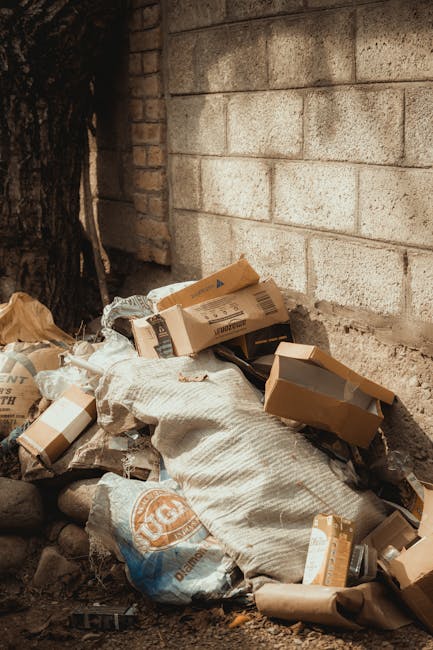
Case Study or Real-World Example
Imagine a first-floor flat near Loughborough Junction with a small storage room, a worn sofa, two shelving units, several bin bags, and a broken desk chair that has been waiting by the door for weeks. The resident has just signed a new tenancy elsewhere and needs the place cleared before the final inspection. Nothing extreme. Just enough to be annoying.
The sensible approach is simple. First, separate anything worth keeping: documents, chargers, spare keys, and personal items. Then group the remaining items by type. The sofa and shelving go together, bagged waste is stacked neatly, and the chair is added to the furniture group. Access is checked, a parking spot is identified, and the hallway is cleared so the path is safe. The whole thing becomes manageable instead of chaotic.
What makes the difference is not magic. It is preparation. The resident avoids last-minute panic, the route is clearer, and the team can remove everything in a single organised visit rather than making the job drag on. The flat ends up ready for handover, and nobody has to argue with a staircase or wrestle a sofa at an impossible angle. A tiny victory, but a real one.
This is also where local context matters. In dense neighbourhoods, a good clearance is as much about respecting shared space as it is about removing items. If the process is tidy, neighbours notice. Usually in a good way. Sometimes even with a little relief.
Practical Checklist
Use this checklist before your rubbish clearance appointment. It keeps things tidy and saves those awkward "I forgot that" moments.
- List the items that need removing.
- Set aside valuables, paperwork, and essentials.
- Separate any items that need special handling.
- Decide what should be reused, donated, recycled, or disposed of.
- Check access, parking, stairs, and entry codes if relevant.
- Warn neighbours or building management if the job may affect shared areas.
- Take photos if you want a visual record of the starting point.
- Confirm timing and make sure the property will be accessible.
- Keep pathways clear for safe loading.
- Review service terms if you are unsure what is included.
A quick check at the start usually saves a longer headache later. That is about as close to a universal rule as this kind of work gets.
Conclusion
Rubbish clearance Loughborough Junction and SW9 is really about making busy spaces workable again. Sometimes that means clearing a single bulky item. Sometimes it means resetting an entire property after a move, tenancy change, renovation, or long-overdue sort-out. Either way, the best results come from clear planning, sensible handling, and a service that respects both the space and the people in it.
When the job is approached properly, it feels less like a burden and more like a reset. The room gets lighter. The hallway opens up. The pressure eases off. And that, honestly, can make a bigger difference than people expect.
If you are comparing options or planning a clearance soon, take a moment to think about access, item types, timing, and whether the job is better suited to a general collection, a full house clearance, or a specialist waste removal service. That small bit of clarity can save a lot of friction.
Get a free quote today and see how much you can save.
And once the clutter is gone, you tend to notice the space itself again. That part never gets old.

Copyright © . House Clearance Brixton. All Rights Reserved.